

Schedule & Course Overview
Overview
The Belize semester provides hands-on, in-person instruction by U.S. faculty in small classes, alongside clinical experience in Belize’s only dedicated speech therapy clinic and meaningful community engagement.
A student can earn 16 -18 credits per semester. These credits are fully accredited by Drexel University and transferable to home institutions
Our Curriculum Offerings
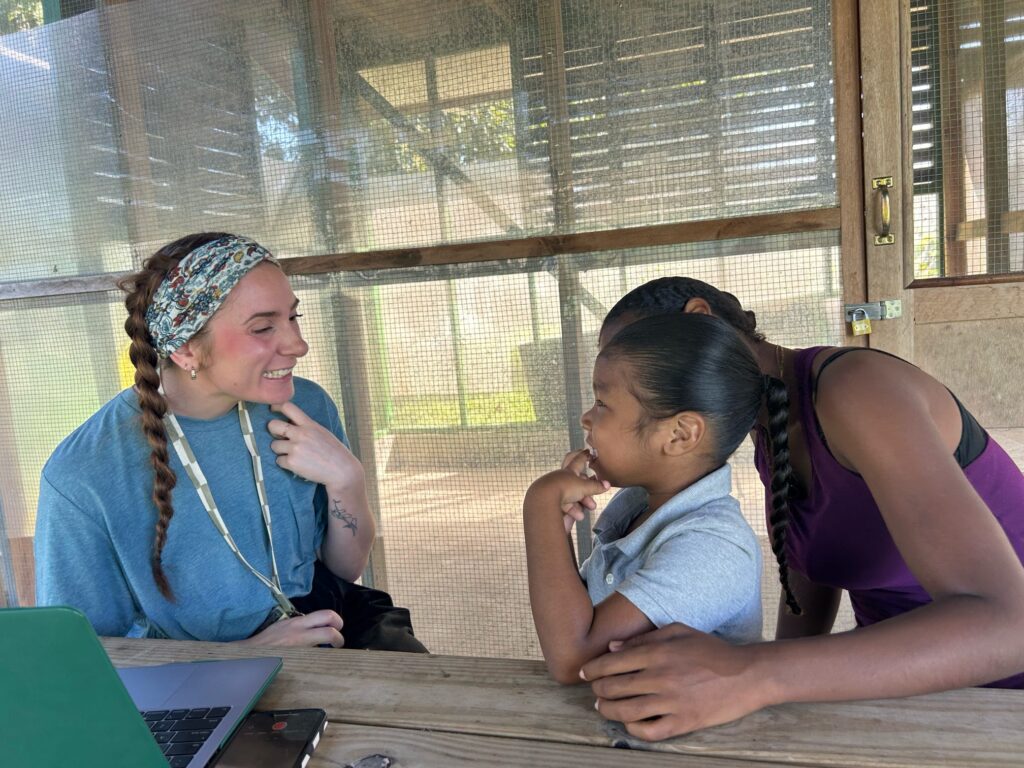
Clinical Practicum in Speech-Language Pathology (1 credit)
This practicum is your first step into the clinic. You’ll complete 25 hours of supervised observation in real assessment and intervention sessions. By shadowing licensed SLPs and assisting with planning and implementation, you’ll see the realities of professional practice up close.
Why it matters? Graduate programs look for students with early clinical exposure, and this practicum gives you that competitive advantage. Abroad in Belize, you’ll also develop cultural humility and cross-cultural communication skills — qualities that top admissions committees prize.
Why Belize? Belize is an English-speaking country with a multicultural population that blends Caribbean, Central American, and Indigenous traditions. This setting gives you exposure to diverse communication styles, bilingual environments, and a healthcare system where resources may differ from the U.S. Practicing in this context helps you build flexibility, cultural competence, and global clinical insight — experiences that will set you apart in graduate applications and future clinical work.
Language Development (3 credits)
This course explores how language grows from birth through adolescence. You’ll learn the major theories of language acquisition and analyze milestones across phonology, morphology, syntax, semantics, and pragmatics. Real-world observation and analysis are built into the course, helping you see theory in action.
Why it matters? A deep understanding of normal development is the foundation for recognizing disorders later. Studying this abroad exposes you to bilingualism, cultural diversity, and varied caregiver interactions — making you especially prepared to serve diverse populations in the U.S. and abroad.
Why Belize? With English as its official language and Spanish, Creole, Maya, and Garifuna widely spoken, Belize is a living classroom for understanding multilingualism. Observing how children and families navigate these linguistic environments allows you to apply language development theories in real, dynamic contexts. This global perspective on language acquisition gives you a competitive edge as you prepare for graduate study in CSD.
Language Disorders (3 credits)
This class introduces pediatric language disorders, from late talkers to school-aged children with learning disabilities. You’ll explore how disorders affect communication, learning, and social development, and practice clinical reasoning through case studies, assessments, and treatment planning.
Why it matters? SLPs must be skilled at distinguishing typical from atypical language profiles. Learning this abroad allows you to practice culturally responsive assessment and intervention — a skillset that few undergraduates develop before graduate school.
Why Belize? Belize’s multilingual and multicultural communities provide unique opportunities to study how language disorders present across different backgrounds. You’ll examine cases where cultural and linguistic diversity intersect with communication challenges — learning to adapt assessment tools and intervention strategies. These skills will prepare you to serve increasingly diverse populations in U.S. schools and clinics.
Phonetics (3 credits)
Phonetics is the cornerstone of every SLP’s training. In this course, you’ll learn articulatory, acoustic, and perceptual phonetics, and master the International Phonetic Alphabet (IPA). Through transcription practice, quizzes, and real-world samples, you’ll sharpen your ability to identify both typical and disordered speech.
Why it matters? Accurate transcription is a non-negotiable skill for graduate school and clinical practice. By working with a wide range of dialects and language backgrounds in Belize, you’ll be far better prepared to handle linguistic diversity in your future clients.
Why Belize? Belize is home to a variety of English dialects, including Belizean Creole, alongside Spanish and Indigenous languages. Practicing phonetic transcription in this rich linguistic environment strengthens your ability to capture subtle differences in sound production and dialectal variation. Graduate programs value applicants who have this level of adaptability and awareness of speech diversity.
Speech Sound Disorders (3 credits)
This advanced course examines articulation and phonological disorders, including evidence-based frameworks such as the Complexity Approach, Cycles Approach, Minimal Pairs, and DTTC for Childhood Apraxia of Speech. You’ll apply these frameworks to real and simulated cases, building the confidence to analyze and treat speech sound disorders.
Why it matters? Graduate programs want students who can go beyond theory into clinical application. By taking this abroad, you’ll practice applying intervention models in culturally and linguistically diverse settings, making you stand out as a prepared, globally minded clinician.
Why Belize? In Belize, you’ll encounter a variety of speech patterns shaped by multilingual environments and cultural influences. Applying evidence-based frameworks to these contexts will challenge you to adapt interventions in ways that are both clinically sound and culturally responsive. This kind of experience demonstrates to graduate programs that you are ready for the complexity of real-world practice.
Weekly Schedule Overview
Day
Morning
Afternoon
Evening
Monday
Clinical Practicum – School Observations
Language Development Lecture
Cultural Excursion / Language Practice
Tuesday
Phonetics & Speech Sound Disorders Class
Clinical Practicum – Community Clinic
Study/Peer Discussion
Wednesday
Language Disorder Class
Clinical Practicum – Individual Assessments
Local Cultural Activity
Thursday
Clinical Practicum – Therapy Sessions
Workshop: Professional Skills & Leadership
Group Reflection & Debrief
Friday
Free Day
Free Day
Free Evening/Personal Exploration
Saturday
Cultural Excursion/Field Trip
Independent Study/Project Work
Community Dinner/Social Activity
Sunday
Free Day/Optional Volunteer Opportunities
Free Study/Reflection
Personal Exploration/Local Immersion
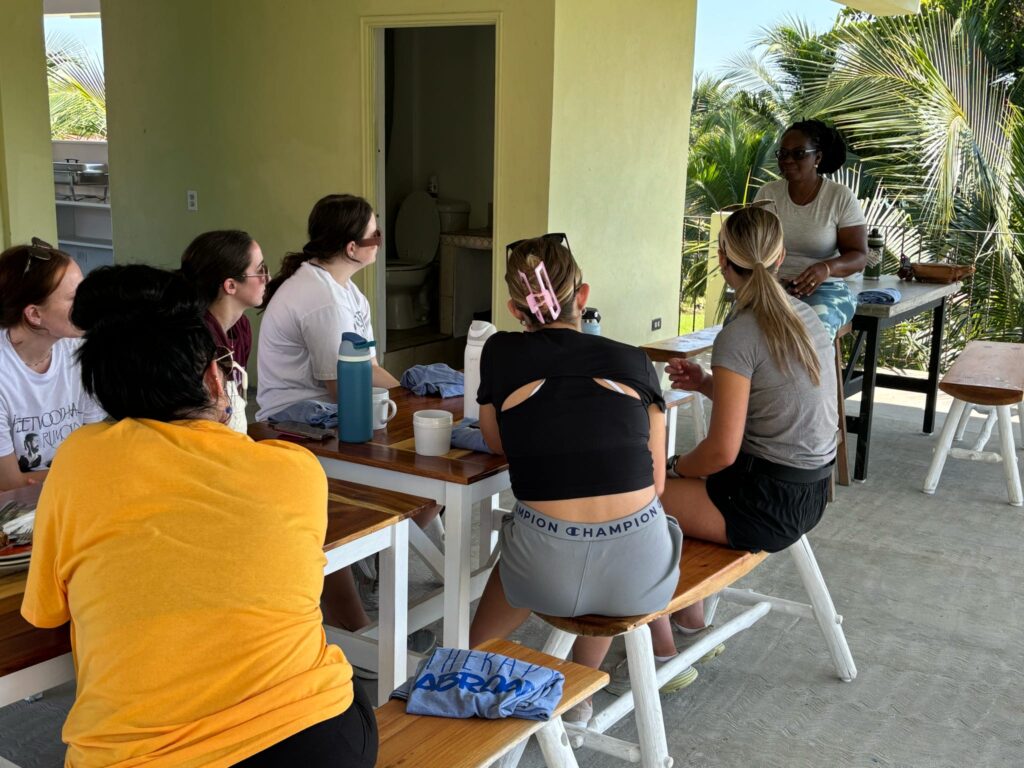
Small Classes, Mentorship, & You
Students enjoy close interaction with faculty and clinic SLPs, receiving personalized guidance, feedback, and mentorship.
These relationships lead to strong letters of recommendation for graduate school applications.